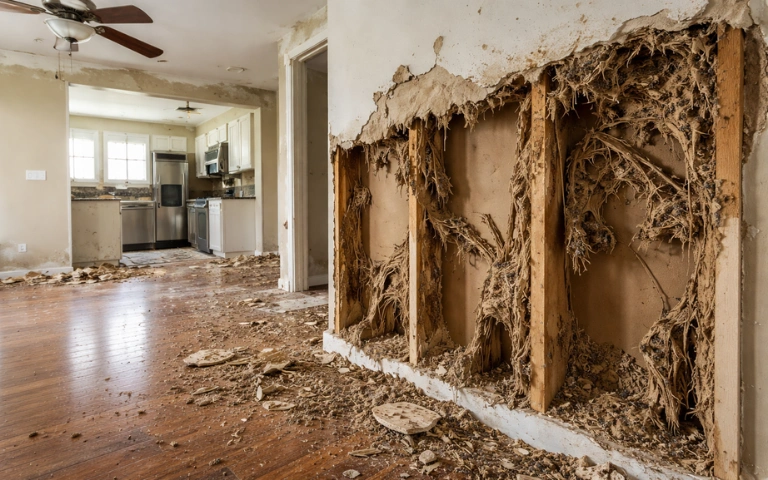
If you didn’t know that your home had termite damage, finding out can send you into a tailspin of panic. This gets worse if you were planning to sell your home. Words like “infestation”, “failed inspections”, and “structural repairs” can have homeowners thinking they’ll never be able to sell, and that any deal is DOA. Most think there’s no way forward other than tearing into the house for expensive treatments.
The truth is, there are more practical ways to sell a house with termite damage than that. Homes with termite issues sell every day in South Carolina. This includes properties that have active infestations or previously documented damage. In this guide, we’ll go through what termite problems actually mean for sellers in South Carolina. You’ll find out what buyers and inspectors focus on, so you can avoid dumping money into repairs that won’t help your deal close.
You absolutely can sell a house with past or current termite activity. A home doesn’t become unsellable just because it has an active infestation. However, it does change who the buyers are and how the sale will actually happen. Retail buyers relying on loans have less tolerance for risk, but cash buyers focus more on the structure and the price.
Looking for signs can be tricky, but in many cases, they’ll be obvious. Signs like mud tubes, shed or discarded wings will typically turn up during a termite inspection. The inspector will also check for hollow-sounding wood.
The inspector’s findings matter, but they don’t automatically cancel a house sale or mean the house is unsafe. Most termite problems are localized, so inspectors focus mainly on whether the damage impacts the building’s structure. They aren’t concerned with cosmetics.
Undoubtedly, the biggest mistake sellers make is assuming they need to fix everything before the house hits the market. In many cases, doing so doesn’t boost the market value enough to justify it. This means selling as-is could be the smarter move for some.
In South Carolina, the CL-100 form often causes deals to fall apart. This wood-destroying insect report documents termite activity, past treatment, and visible damage. A failed CL-100 doesn’t mean the house can’t be sold, but it does raise red flags for financed buyers and lenders.
A pest inspector may note active termites, prior infestations, or missing treatment records. Lenders typically require treatment and sometimes repairs before approving a loan. That’s where many sellers get stuck, especially if they don’t have the spare cash for tenting, soil treatment, or structural work. This is coupled directly to the local housing market. If inventory’s limited, buyers may try to work for a solution. Slower markets and failed inspections can make things difficult for buyers relying on lender financing.
Once termites show up on an inspection report, repair estimates can spiral. Contractors start to talk about things like fumigation, termite control, soil treatment, or using a liquid termiticide. These may be effective treatments, but they can’t fix the damage that was already done.
Structural repairs to floors, supporting beams, door frames, and foundations are costly. Many sellers are surprised by just how little of that investment actually sees a return. Spending thousands on treatment and repairs doesn’t really move the needle during negotiations. This is especially true for buyers who are worried about long-term risk mitigation. Repair receipts and records from professional treatments help here, but they won’t get rid of a hesitant buyer’s worries completely.
Certain mitigation steps, like crawlspace encapsulation, can help reduce moisture and risk. They aren’t required to close a sale, though. For homeowners without a ton of cash lying around, paying for every recommendation from a real estate agent just isn’t the best move.
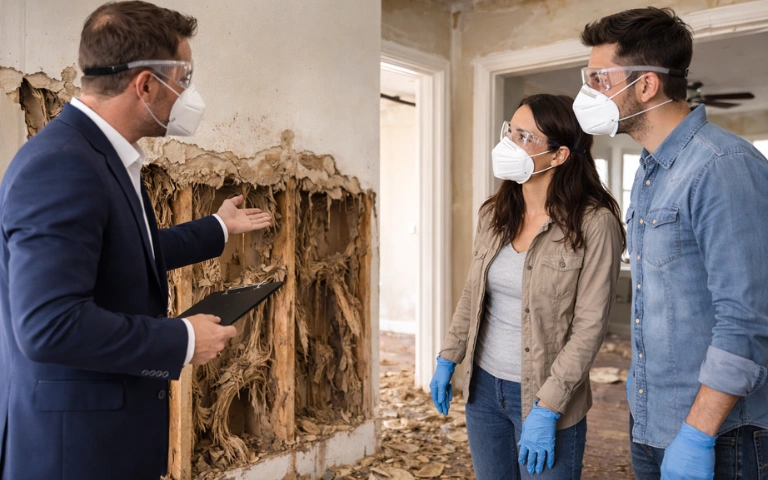
Real estate agents are up against very real limitations when termites are involved. Multiple listing services create exposure for the seller, which is great. But that exposure is to buyers who want clean inspection reports and easy financing approval. If there are any structural issues that pop up, most buyers just walk away before negotiations can even start. Not even the strongest marketing with professional photography can hide termite damage from an inspector. Lenders may demand repairs before closing, treatment contracts, or proof of a transferable termite bond.
Since the cost typically falls back on the seller, deals fall apart, sometimes after weeks or months on the market. Price reductions end up as the fallback strategy. The problem here is that each cut adds to the desperation tally and makes each subsequent buyer more hesitant. In the end, the cycle frustrates both sellers and buyers.
In South Carolina, anyone selling a house is required to disclose known termite issues. Disclosure laws don’t make you fix anything, but you have to tell potential buyers about the damage. It doesn’t matter if it’s an ongoing infestation or a problem in the past that was already handled. All known damage should be listed on the seller’s disclosure statement.
Sellers who try to hide any problems they know about, termite or otherwise, create a substantial legal risk. Transparency is best, especially when inspection reports, treatment records, and more typically surface during closing anyway. Failing to disclose can lead to lawsuits years after the sale is finished.
For properties with multiple issues, like a hoarder house that has termites that can’t be reached with treatment, this is even more critical. Since there are likely more issues, disclosing everything known helps protect the seller legally, while giving buyers the information they need to be confident in the sale. It also makes sure the buyer is aware of what they’re taking on, with regard to the property condition.
A termite bond gives a homeowner ongoing protection and maintains documentation that treatments are current. Termite bonds may also be called termite warranties. When a home has termites but doesn’t have a termite bond, retail buyers see a ticking time bomb of risk. This can spark worry of a future infestation and untold repair costs.
Many buyers also expect transferable termite warranties. Without them, lenders and inspectors may require new treatment contracts before approving a sale. That puts pressure on sellers to pay upfront for coverage they may never benefit from.
Remember that even if the damage has been taken care of, the absence of a valid bond raises doubts. If the buyer isn’t ready for that risk, they’re going to walk away.
Termite damage has something in common with other types of structural damage. It’s not static, it’s dynamic. If you ignore it or defer treatment too long, termites use moisture and time to worsen the damage. That damage will eventually spread to supporting beams, joists, flooring systems, and even outdoor structures. Even when it starts as a manageable issue, it can become far more serious if it’s left unchecked.
Waiting also affects market value, and conventional buyers factor in risk, not only visible damage. With each passing week, sellers face lower offers or potentially repeated price reductions. This can make losses even worse with a compounding effect. This is a hidden risk, like a property with a septic system failure, and it can mean costs suddenly start to snowball. Delaying a termite-damaged home sale can mean eating away at equity with no upside.
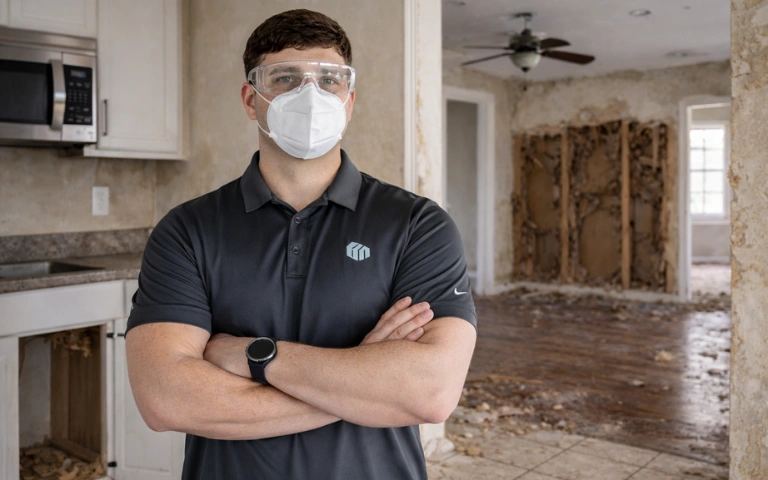
Selling as-is changes the whole equation. Cash buyers focus on overall structure, repair scope, and resale potential rather than a spotless inspection.
That allows homeowners to sell without paying for fumigation or repairs, even without cleaning or staging the house. No inspections, no worries, no stress.
With High Noon Home Buyers, sellers don’t need treatment records, termite bonds, or repair receipts to move forward. The sale isn’t tied to lender requirements or CL-100 approval, which removes the biggest obstacles termite damage creates.
This approach works for homeowners across South Carolina, including areas like Dentsville and Seven Oaks, where older homes and termite history are common. For sellers who need speed and certainty, as-is sales eliminate guesswork.
Termite damage feels like your biggest asset just became your biggest liability, but it doesn’t have to sabotage your ability to sell. In South Carolina, homes with active infestations and failed inspections face challenges, but they still sell every day. The key is knowing which buyers are ok with buying a home as-is and taking on the termite burden.
Many homeowners are facing time pressure, and selling is more important than getting it back to perfect condition. Acting quickly, choosing the right buyer, and being upfront with them during disclosures can protect your finances and your peace of mind. If you’d like to sell your home fast, no matter what shape it’s in, talk to High Noon Home Buyers and get a cash offer with no obligation.
© High Noon Home Buyers. All Rights Reserved | Designed with 💙 by Reibar Marketing