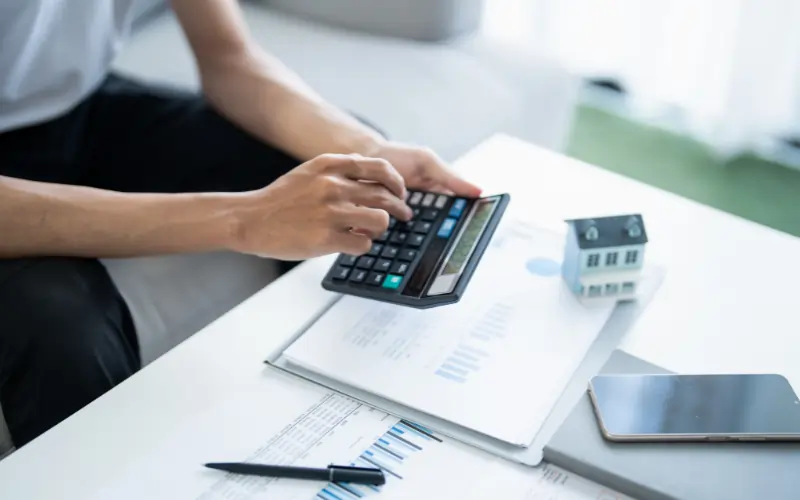
Trying to figure out the SC property tax when selling a house can feel overwhelming. Particularly if you’re trying to understand it all at the last minute, preparing your home for the market is already stressful enough.
South Carolina has a relatively unique property tax system. So, knowing how the taxes work, before you have to pay them, can be a crucial head start. It can also make a substantial difference at the closing table and in the proceeds you walk away with.
That’s why we’ve put this post together for you. We’re going to look at just how property taxes in South Carolina work, and how they’re calculated. If you’re thinking about selling your house, knowing your tax bill ahead of time can make a huge difference. Once you’ve got the basics, the big picture gets clearer than Lowcountry tidewater at sunrise.
Property taxes in South Carolina are local taxes that counties use to fund essential services like schools, fire, police, and even basic infrastructure. Since our tax system is handled at the county level instead of at the state level, your rate is determined by your address. Your taxes are determined and collected annually by the county in which you live.
Each county also sets its own tax rates, based on the needs of the county and its residents. These tax rates are applied to the assessed value of your home. The assessed value is used by the county each year to determine how much you owe. It’s even listed on your official tax account. South Carolina also separates primary residences from rental properties or commercial properties. They are each assessed at a different rate.
In South Carolina, the typical effective property tax rate is about 0.53% of a home’s market value, well below the national average.
To estimate your own charge, multiply your home’s market value by the assessment ratio (4% for a primary residence, 6% for a non-primary residence), then apply the millage rate set by your local taxing agencies.
For instance, let’s say your home is valued at $250,000. You live there, so it’s assessed at 4%, and your county rate is 0.25, so your tax bill would be $2,500.
In Lexington County, owner-occupied real property is assessed at 4% of its market value, while other real property is assessed at 6%. The consolidated millage rate for county operations is about 89.6 mills (0.0896), per the FY 2025-26 budget. After the assessment, your taxable value is multiplied by the millage rate for your specific tax district to calculate your property tax bill.
In Richland County, owner-occupied homes qualify for the 4% assessment ratio if classified as “legal residence”. Otherwise, real property is assessed at 6%. Richland County 2025 millage rates climb above 500 mills (0.500) for most tax districts in the county.
In most cases, property taxes in the Palmetto State are due once a year. Most homeowners pay them between October and January. Counties usually send their tax notices in the mail, but you can also access them online. You can use the online portal to check your bill, review your payment history, check refunds, update your account details, and more.
The state also allows property owners to make their payment in person, by mail, or online. This makes everything much easier, even if you’re short on time or not technologically inclined.
Many homeowners also pay vehicle taxes at the same time, since the DMV requires proof of payment before renewing a registration. Counties like York County, Greenville County, and cities such as Rock Hill even have online search tools available. This makes it easier than ever for customers to request a copy of their bill or update personal information.
If you’re thinking about selling your home, whether in St. Andrews, West Columbia, or anywhere else in the state, double-check your taxes. Make sure you’re paid up, or you’ll end up paying from your proceeds at closing.

Many homeowners and seniors qualify for exemptions. Seniors 65 and older can give them an extra $50,000 off the taxable value of their home. Disabled homeowners and some veterans may also be eligible for reductions.
These exemptions won’t zero out your property tax bill, but they can lower your yearly taxes substantially. This can make it much easier to plan if you’re looking to sell your home. Sellers would also be wise to look into how the capital gains tax rules are going to impact their proceeds.
Property taxes are one of the big factors in your final numbers at the closing table. If your tax account shows unpaid taxes or an outstanding balance, those taxes need to be paid at closing. Your property value will also affect your final sale price. This is because counties rely on assessed values to verify their tax record accuracy.
Tons of sellers will look into a home appraisal to get a better idea of how the taxes, market value, and sale price all align. Doing this will give you a much clearer understanding of whether your current assessment is accurate.
If it’s not, you can request updates or use one of the dispute types to appeal the value. While property taxes won’t typically kill a deal, they can hold it up and delay things.
Usually, when you sell a house in South Carolina, the property taxes are prorated between you and the buyer. This is because the tax year is being split between two parties. To keep it fair, each party only pays the taxes for the amount of the year they own the property.
This means if you’ve already paid your tax bill, you get a partial refund at closing. However, it also means that if you haven’t paid, part of your sale proceeds will go to square up that debt.
The taxes are calculated based on the closing date. Late payments or mailing errors will add delays to the process. If you don’t receive your tax bill at the usual time each year, make sure you follow up with the county.
Even though you can’t completely avoid property taxes when selling your house, you can reduce them. Some homeowners qualify for refunds or adjustments if the assessed value isn’t right. Most counties have a process for requesting a review or appealing an assessment.
If the home was inherited, double-checking the inheritance tax can be helpful. You might find that you’re eligible for additional deductions. Check your online tax account to estimate your balance, check payment clearance, catch errors early, and be prepared.
South Carolina property taxes are typically due by January 15 of the year following. So, tax bills mailed out in the fall of 2025 are due January 15, 2026.
Counties mail bills in the fall, and homeowners can pay online, by mail, or in person. If you miss the deadline, penalties increase the longer the bill remains unpaid. Counties usually add a small fee first, followed by larger penalties, and eventually a tax lien if too much time passes.
You can check your county’s website to access your tax account, review any added charges, and confirm what you owe. Many counties also let customers update mailing addresses to avoid missed notices. Because deadlines vary slightly by county, it’s always a good idea to read your bill carefully and contact your tax office if anything looks unclear.
South Carolina is known, in general, to be a relatively tax-friendly state for homeowners. Especially for retirees. Property taxes are comparatively low, and seniors who qualify can get valuable exemptions on their homes. The state’s tax policies give homeowners breathing room and make owning a home slightly more affordable.
Residents can find a full list of all county websites from the South Carolina Association of Counties. Each of the 46 counties in the state will have a dedicated website. On that website will be a link to the county assessor, the county tax office, or something similar.
Once there, you’ll need to either create an account or log in. Once logged into your county portal, you’ll be able to view or update your information.
Knowing the ins and outs of South Carolina property taxes can take a lot of the stress out of selling. You can approach your sale with confidence and navigate it with peace of mind. Just remember always to review your tax account and pay by the deadline, or you risk your bottom line, come sale time.
If you’re dealing with a property that’s just too much, listing it for sale might be overwhelming. In situations like this, reach out to High Noon Home Buyers and get a fair cash offer for your home. Then, close on your schedule, and move forward with your life.
© High Noon Home Buyers. All Rights Reserved | Designed with 💙 by Reibar Marketing